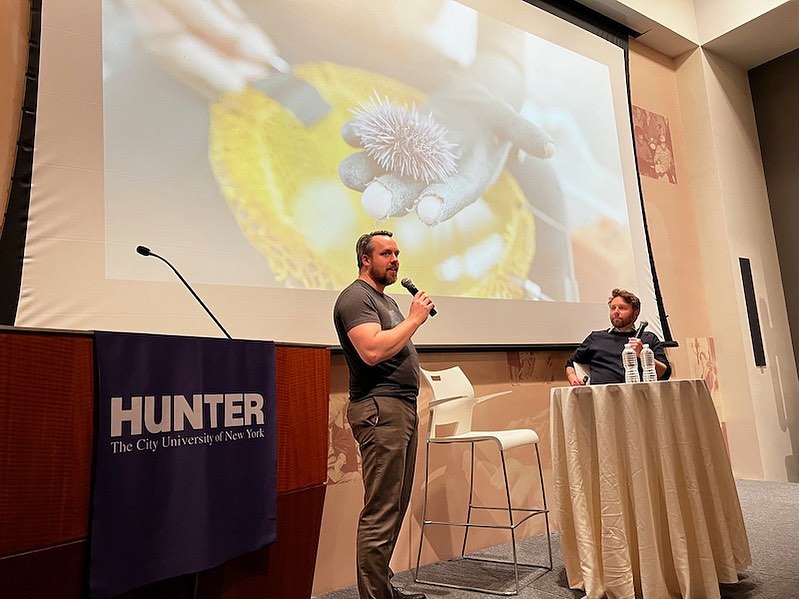
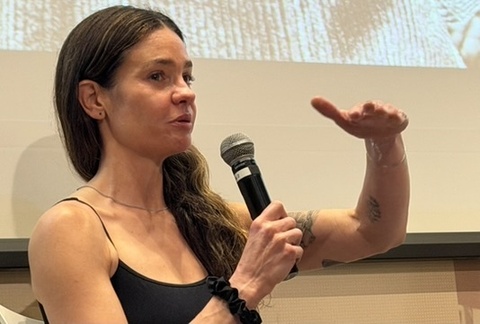
On April 14 at the Roosevelt House of Hunter College, Natalie Keyssar, a Pulitzer Center grantee, discussed the power of photojournalism and why it is so important today.
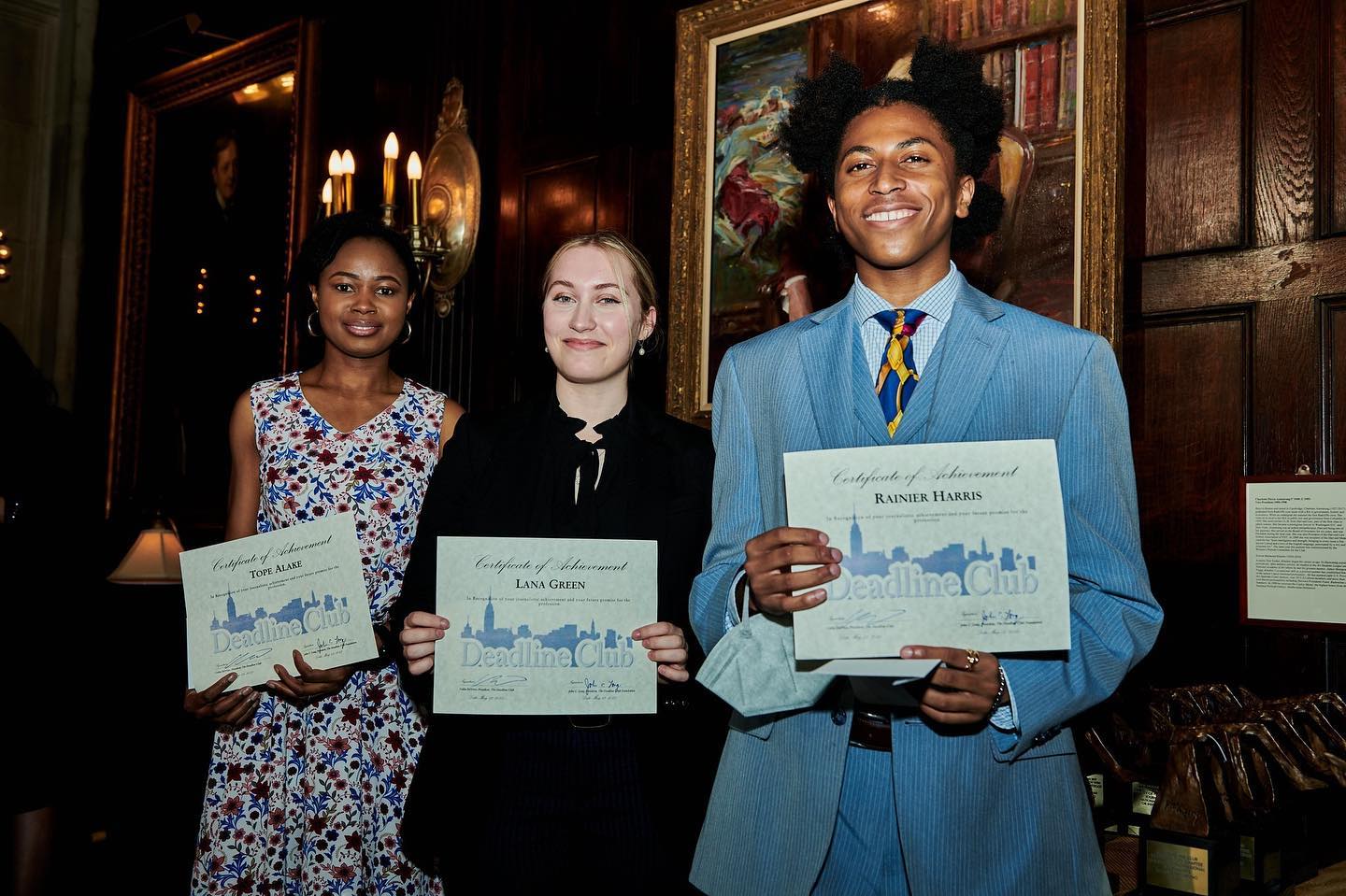
Sissel McCarthy, professor and head of the journalism program, hosted the event. McCarthy began by announcing the winner of the 2026 Pulitzer Center Reporting Fellowship, Hunter College student Reagan Grant.
McCarthy then introduced Keyssar, who talked about how her work in photography has evolved over time. Early in her career, Keyssar freelanced for U.S. outlets before moving to Venezuela in 2014 to cover the uprising of students and professors against President Nicolas Maduro. After that, she moved back and forth between the U.S. and Venezuela until 2020.
After covering Venezuela’s political unrest, Keyssar covered protests, political violence, and the war in Ukraine, often focusing on the human side of each story.
Keyssar explained how covering protests, mixing layered visual language, portraiture, and interviews, helped her to show militarization and police violence while still capturing the emotional and human reality during protests.
“I want my work to feel exploratory. I want my work to feel like it’s asking more questions than answering them,” Keyssar said. “It is a practice of curiosity. A practice of treating every person I encounter as somebody who is my teacher.”
The event concluded with a Q&A between Keyssar and Professor Seyma Bayram. Keyssar emphasised that photography that covers crises should move beyond shock and use contextual storytelling to document what is happening while preserving the humanity of the people involved.
“In the current media landscape, which is oversaturated, underfunded, and where we’re bombarded by content, our goal increasingly needs to be about creating something that you feel, and you may feel identified with,” she said.