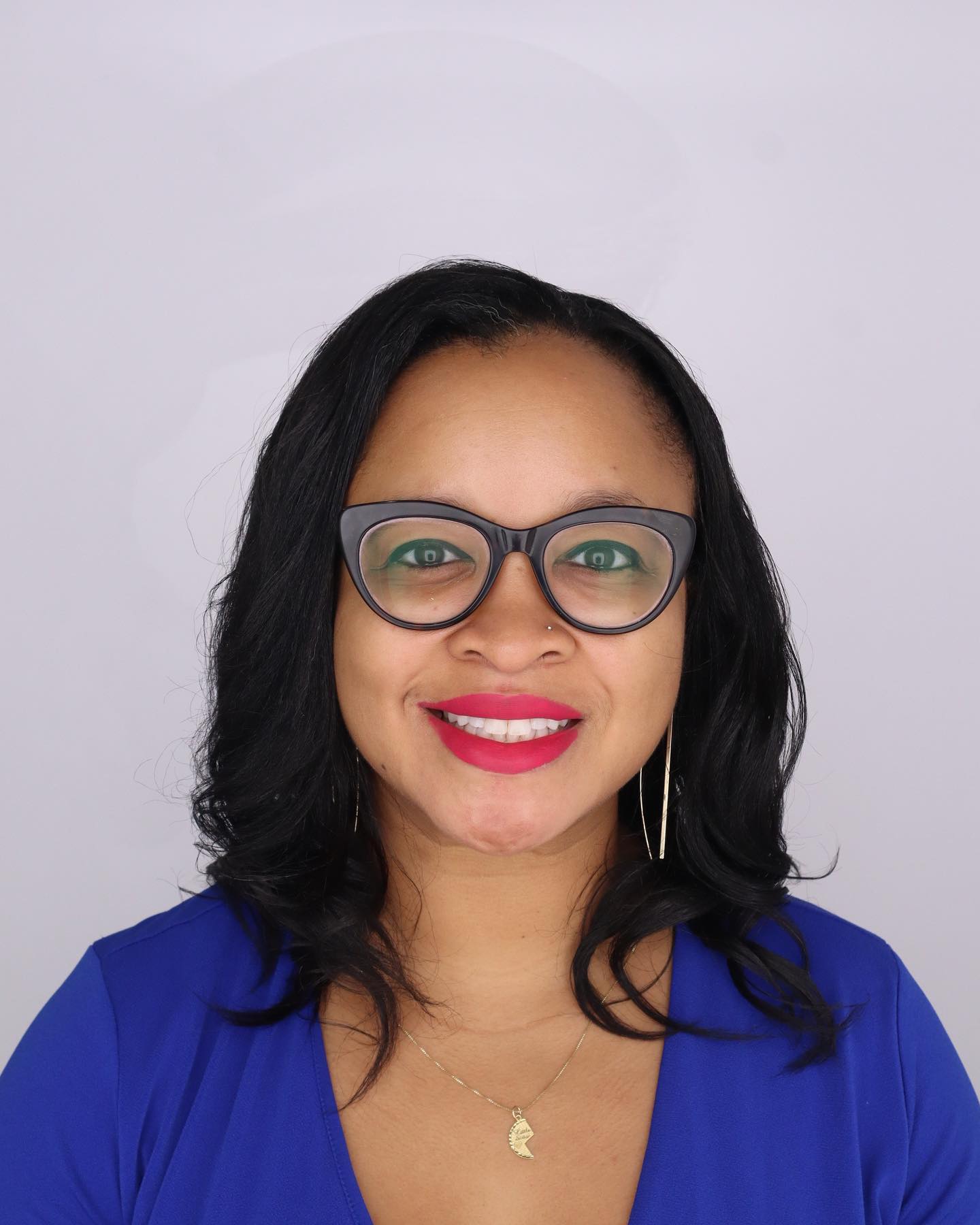

On March 3, Jenisha Watts joined David Alm’s feature writing class over Zoom and offered a rule she follows in her own work: “If I can’t explain why a sentence is there, it doesn’t need to be in the story.”
Watts, a staff writer at The Atlantic, applied that standard to her essay “Jenisha From Kentucky,” a reflection on her upbringing and the experiences that shaped her career.
In her essay, Watts writes about a difficult childhood in Kentucky: her mother’s struggle with drug addiction, growing up in foster care and discovering the power of her own voice. She examines how all of this shaped who she is today, and ultimately led her to New York City to pursue a career in journalism.
The essay, which took Watts two years to write, required her to confront a question she had avoided for much of her life: What does it mean to trade on your own past?
Motherhood pushed Watts to finish the essay. She believed she needed to release the story in order to grow as a writer and as a parent.
Writing about her family forced Watts to examine her motive. Was she serving the story, or her ego? Was she telling the story for pleasure or pain? She considered how her words might affect her sister and her mother.
Before publishing personal essays like this one, Watts sits with those questions. She pushes herself to justify every sentence she writes. She thinks about the people who would recognize themselves on the page.
“Once a story enters the world,” she said, “it no longer belongs to you.”
The loss of control never fades. Publishing personal work means accepting that readers will interpret it in their own way. But the vulnerability that followed did not disappear. It became part of her responsibility to tell her story and that responsibility is reflected in her discipline.
Watts drafts in sections rather than from beginning to end. She saves late-night emails and revisits old journal entries. She rereads and cuts what she cannot defend. She favors strong verbs and avoids adverbs. She treats research and fact-checking as essential skills.
That persistence defined her career. She freelanced in New York City for seven to eight years, and said yes to nearly any assignment, even those that paid little. She utilized fact-checking positions to break into the industry and used every role to establish her reputation.
Following that period of growth, Watts later wrote for ESPN Magazine and worked at Time Books before attending the Columbia Journalism School. Because of her background, she did not always feel like she belonged in the same spaces as other journalists. While graduate school changed how others perceived her, she said, it did not erase her impostor syndrome.
Despite those challenges, Watts still believes that writing is a gift. She reminded students that research, fact-checking and revision only enhance strong storytelling. She encouraged them to value these often-overlooked skills as essential tools for a journalist.
The work of a writer, she said, is not ownership of the story. It is the care and precision they take in telling it.
For more of Watts’ writing, read her latest personal essay in The Atlantic here.